

It takes shared responsibility to redefine youth development.
At YOUTHOOD, governance is built on the belief that lasting change happens when responsibility is shared clearly and intentionally. Our model brings together professional stewardship, lived experience, and operational accountability — ensuring decisions are informed by both the systems that shape young lives and the people who have lived through them. This is not leadership for show. It is governance designed to hold power carefully, transparently, and together.

How co-governance works at YOUTHOOD
At YOUTHOOD, governance is shared, but never unclear.
We work through a co-governance model that brings together three distinct roles: Trustees, Youth Fellows, and Staff Leadership. Each plays a different part in shaping direction, holding accountability, and ensuring our work remains ethical, grounded, and effective.
This structure exists for a reason. Youth development is shaped by complex systems — education, care, health, justice, housing — and no single perspective is enough on its own. By holding professional expertise and lived experience in deliberate conversation, we strengthen decision-making and reduce the risk of blind spots.
Shared responsibility does not mean shared roles.
It means being clear about where responsibility sits, how power is exercised, and how influence is meaningfully shared.
Trustees provide strategic stewardship, oversight, and long-term accountability.
Youth Fellows embed lived experience directly into how YOUTHOOD thinks, designs, and delivers its work.
Staff Leadership holds legal, safeguarding, and operational responsibility, ensuring the organisation is safe, sustainable, and compliant.
Together, this intergenerational model ensures YOUTHOOD is both ambitious and accountable. Driven by youth insight, strengthened by professional practice, and delivered with care.
The sections below outline how each role contributes to governance at YOUTHOOD, and how they work together to redefine youth development in practice.
Strategic Stewardship — Board of Trustees
Bold missions need clear stewardship.
YOUTHOOD’s Board of Trustees plays a critical role in guiding our direction, safeguarding our values, and ensuring we remain accountable to our mission of redefining youth development. Trustees hold responsibility for the long-term health, integrity, and sustainability of the organisation.
Each trustee brings deep expertise across sectors that shape young people’s lives — from youth policy and public service, to charity leadership, innovation, education, and local government. Together, they support YOUTHOOD to grow responsibly, act ethically, and think ambitiously about the systems that impact adolescence.
This isn’t just a boardroom. It’s a circle of strategic thinkers, advocates, and change-makers — united by a shared commitment to ensuring every young person experiences adolescence as a time that empowers, equips, and prepares them for adulthood.
A Board That Reflects the Change We Stand For
Youth development does not happen in isolation, and neither should governance.
To meaningfully serve young people, our leadership must reflect the diversity of their lives, communities, and experiences, as well as the systems that shape them. YOUTHOOD is committed to building a Board of Trustees that represents a wide range of perspectives, backgrounds, and expertise — not as a statement of intent, but as a foundation for better decision-making.
Our approach to trustee composition is shaped by three core principles:
-
We recognise that trustees bring more than professional expertise. Lived experience, including experience of the youth sector, care, marginalisation, inequality, or systemic barriers, shapes values, insight, and judgement. We also seek diversity across race, gender, sexuality, disability, class, and geography, recognising that identity matters in how power is understood and exercised.
-
Effective youth development requires an understanding of how different systems interact. Our trustees bring experience from across education, health, local authority, youth work, social policy, business, and the charity sector. This cross-sector perspective helps us challenge siloed thinking and strengthen how we influence systems around young people.
-
We balance experienced trustees with deep governance expertise alongside emerging leaders who bring fresh insight, values, and ambition. This blend supports continuity and accountability, while ensuring our governance remains adaptive and forward-looking.
Meet Our Board of Trustees

Abigail Bentley, PhD
Abigail is a researcher and social scientist with over a decade of experience specialising in violence, mental health, and access to services for marginalised communities. Her recent work has focused on improving access to mental health support for young people at risk of violence — an experience that deepened her commitment to youth development and voice. Abigail is a firm believer that young people are experts in their own lives, and that services and systems work best when designed with them, not just for them. As a trustee, Abigail wants to help protect and strengthen the spaces where young people can lead, be heard, and shape the change they want to see.

Charlotte Lastoweckyi
Charlotte is an advocate for empowering young people to find their voice and shape their future. Growing up in a community with limited resources, she experienced firsthand the importance of being heard and supported. At the moment, Charlotte focuses on creating opportunities for youth to actively contribute to decision-making, believing their perspectives are vital to driving positive change. Her work centres on building environments where lived experience informs the change young people want to see. Charlotte’s message is clear: meaningful change starts with young people who believe their voices matter.
Lived Experience Leadership — Youth Fellowship Programme
The Youth Fellowship Programme embeds the insight of young people directly into YOUTHOOD’s governance, design, and decision-making. Youth Fellows are young people aged 18–25 who have lived through the systems we exist to change — from education and social care, to housing, youth justice, and health.
Their experience is treated as expertise. Not because it replaces professional knowledge, but because youth development systems work best when they are shaped by the people who have navigated them.
This is not leadership for show. It is leadership with responsibility, support, and purpose.
To ensure youth leadership is supported in age-appropriate and developmentally grounded ways, the Youth Fellowship Programme is structured across two pathways.
Meet The Youth Fellows Working to Redefine Youth Development
-

Adjoa
-
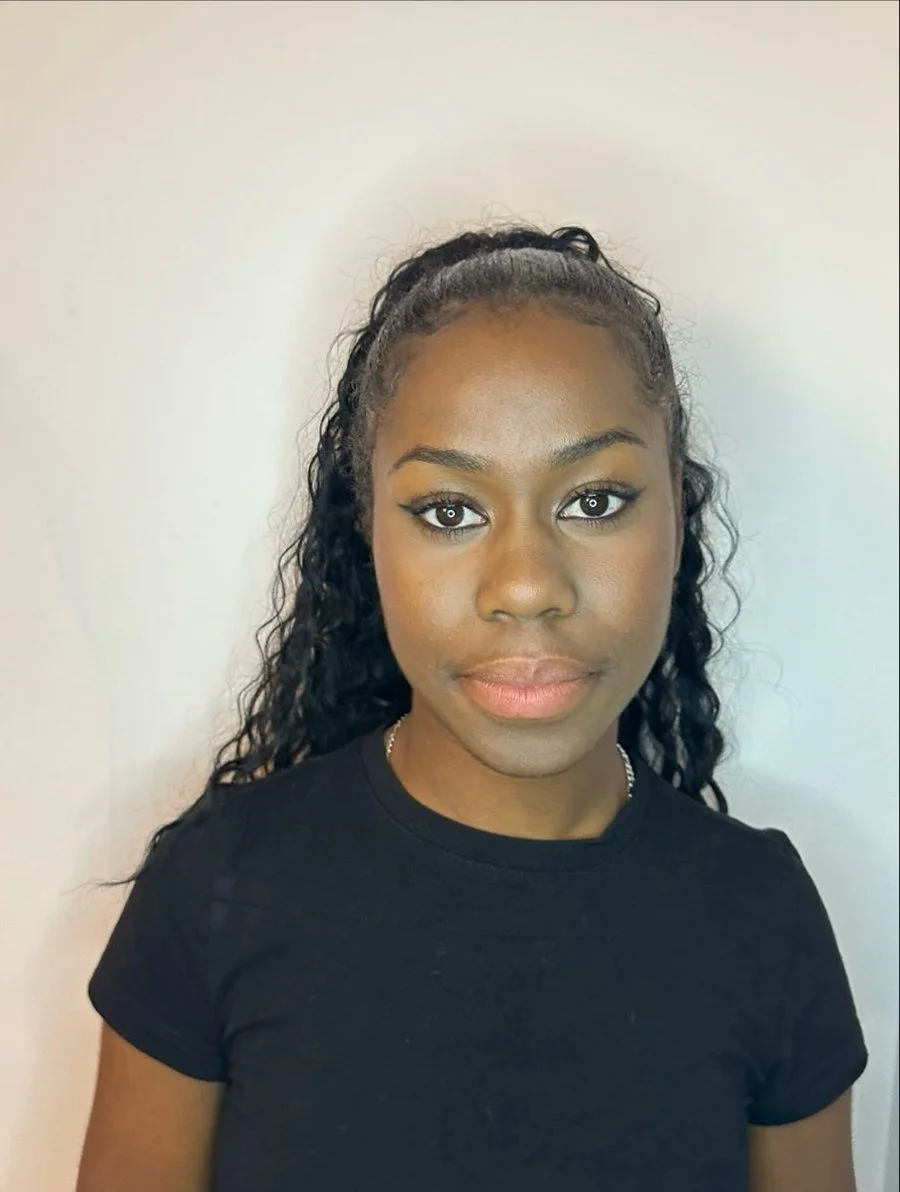
Erraime
-
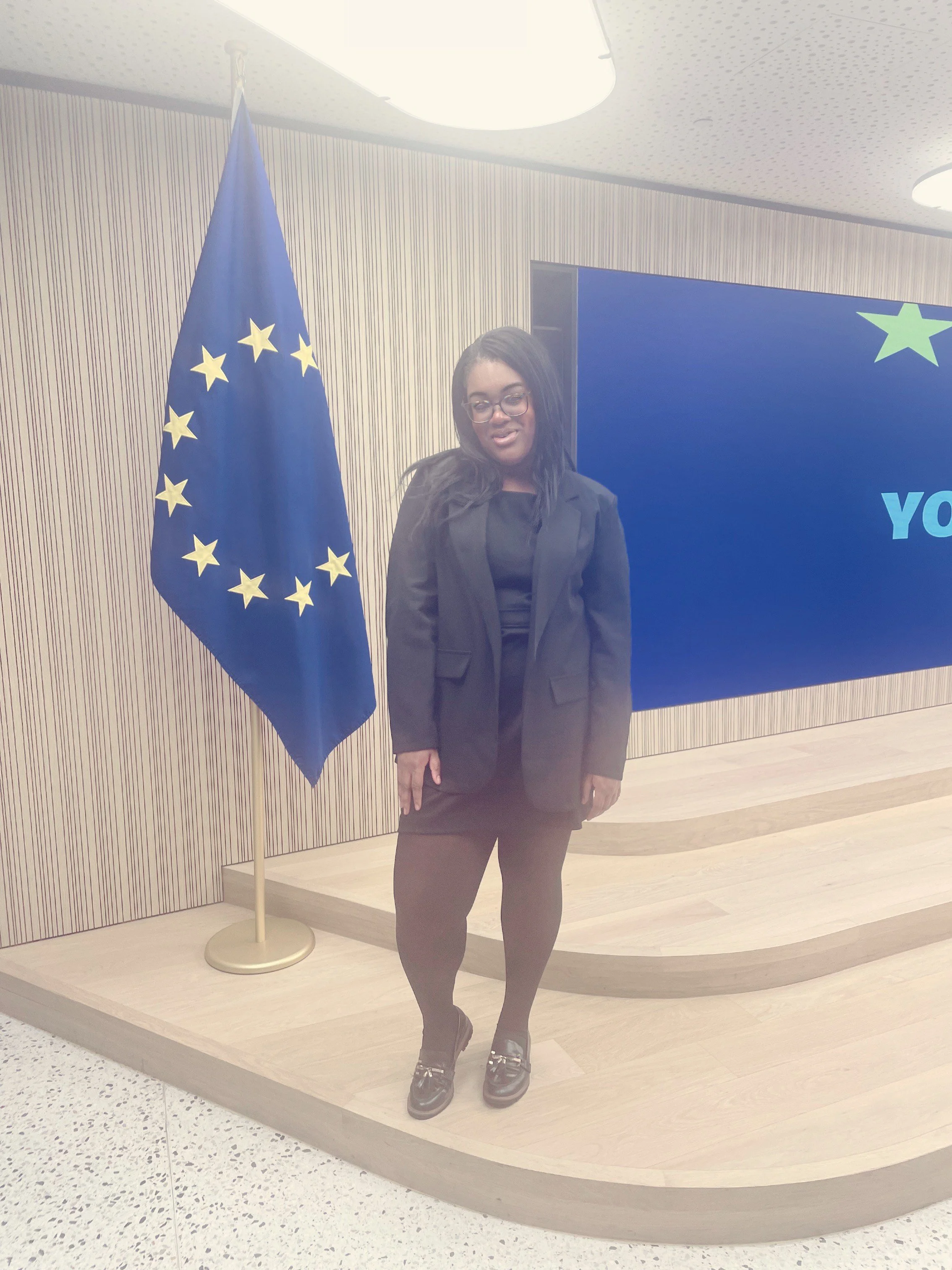
Folusho
-

Joyce
-

Nicholas
-

Truth

Youth Fellows do not govern alone, and they are not expected to.
Their leadership sits alongside Trustees and staff within YOUTHOOD’s co-governance model — influencing decisions, challenging assumptions, and shaping direction, while operating within clear boundaries around legal, safeguarding, and organisational responsibility.
This balance ensures youth leadership is real, protected, and sustainable.
Operational & Legal Accountability - Staff Leadership
Shared responsibility still requires clear accountability.
At YOUTHOOD, staff leadership holds responsibility for the day-to-day operation of the organisation, alongside its legal, safeguarding, and regulatory obligations. This includes charity governance, financial oversight, risk management, safeguarding systems, and organisational planning.
While YOUTHOOD is proudly youth-led in insight and direction, it is staff-led where responsibility must be held. This distinction is intentional and essential. It ensures that youth leadership is protected, ethical, and sustainable — not exposed to risk, liability, or unrealistic expectations.
Staff leadership works to translate shared vision into delivery, making sure that ideas shaped through lived experience and strategic oversight are implemented with care, rigour, and accountability. YOUTHOOD is also proud to have a full staff team below the age of 30.
Staff leadership does not operate in isolation.
Instead, it plays a facilitative role within YOUTHOOD’s co-governance model — supporting Trustees to fulfil their oversight role, enabling Youth Fellows to lead meaningfully, and ensuring transparency across decision-making.
This includes:
providing clear information to Trustees and Youth Fellows
creating safe structures for youth participation
embedding safeguarding and wellbeing into all activity
ensuring organisational decisions are ethical, compliant, and well-governed
By holding responsibility clearly, staff leadership helps ensure that shared governance is not symbolic, but practical, trustworthy, and effective.
Together, Trustees, Youth Fellows, and staff leadership form an interdependent governance model — one that balances ambition with accountability, insight with evidence, and participation with protection.
This is how YOUTHOOD works to redefine youth development:
by sharing responsibility clearly, holding power carefully, and building systems that young people can trust.
